Learn about the proposed Westover Data Center Project
This page lays out how we got here and the standards being proposed for the project.
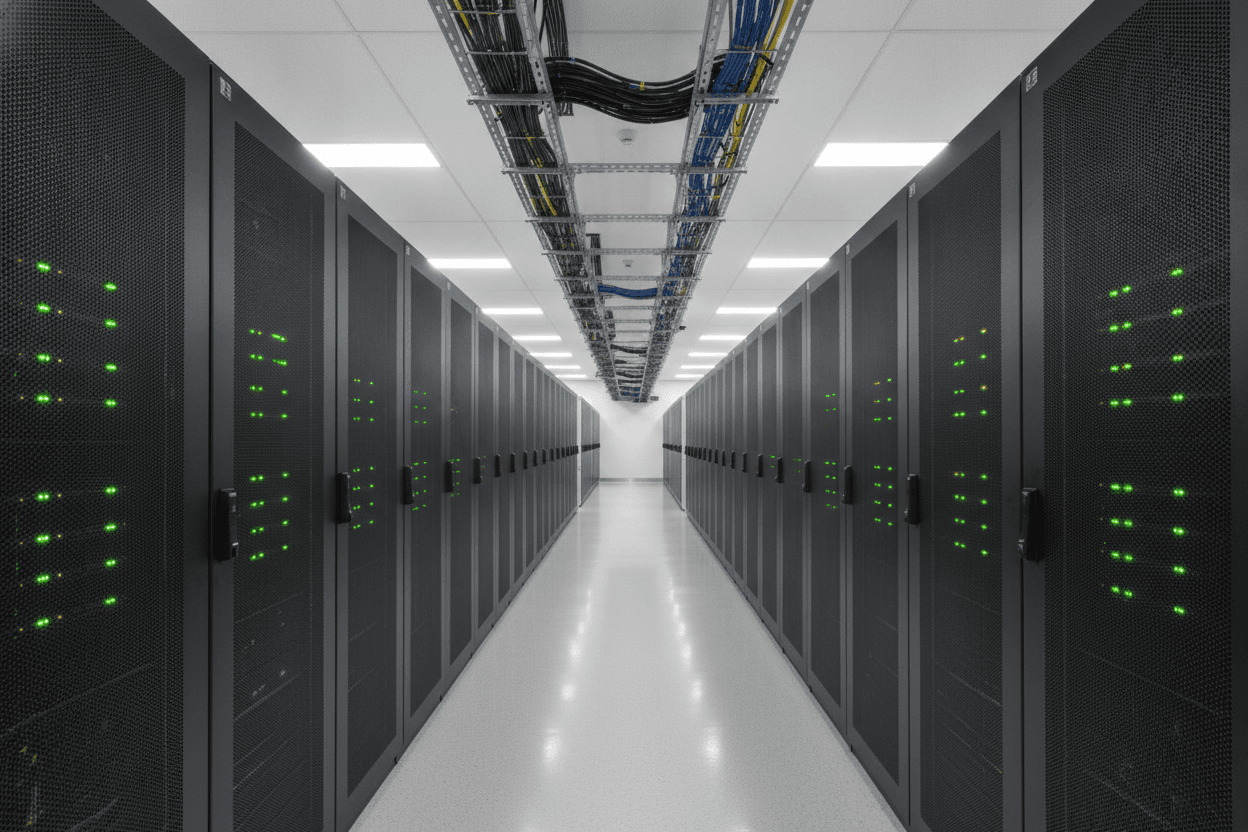
A data center is a building full of computers.
Inside are rows of computer equipment that store information and run the online services people already use every day. When you stream a movie, back up family photos, check the weather, or deposit a check from your phone, that work happens inside a building like this one.
From the outside, a data center looks like a large warehouse. There is no smokestack, no assembly line, and nothing coming in or going out but information. Once construction is complete, the day-to-day is technicians, engineers, and support staff keeping the equipment running.
How a data center looks, sounds, and sits on its land comes down to the standards behind it. The standards being proposed for this project are laid out below.
Every step so far has happened in public.
This project has moved through Westover’s own land-use process, with public meetings, a public hearing, and unanimous votes, over more than two years. Here is the record.
- May 2024
First public discussion
Interest in the property for a data center was first discussed publicly at a Westover City Council meeting.
- Fall 2024
Planning Commission review
The Westover Planning Commission took up the rezoning question and set a public hearing, discussing jobs, retail, and growth impacts on the record.
- December 2024
Public hearing
A public hearing was held on rezoning the property. The Planning Commission unanimously recommended approval.
- February 2025
Council approves rezoning
The Westover City Council unanimously approved rezoning the land to EC-I, which permits data centers by right.
- 2025–2026
Land purchased, zoning confirmed
The land was purchased once the zoning was in place, and the City later confirmed the zoning in writing.
- August 6, 2026
An agreement with the City
The project volunteered a 45-day pause on permit applications, agreed to hold a public town hall, and began working with the City on standards for how the project will be developed.
- August 20, 2026
Town hall
Project representatives answered the community's questions directly, in public, on the record.
Timeline drawn from public records and from reporting by the Shelby County Reporter.
- Location
- Westover, Shelby County, Alabama
- Type
- Data center campus, built in phases
- Zoning
- EC-I — data center permitted by right
- Status
- Proposed. No permit applications through September 20.
- Cooling
- Closed-loop design — no wells
- Electric utility
- Alabama Power
The standards being proposed, in writing.
The project is working on a Development Agreement with the City of Westover and has put forward proposed standards for how the campus would be designed and operated. These standards are more restrictive than what is typically required, and in a Development Agreement they would become binding requirements.
Water
The proposed standards call for closed-loop cooling that does not consume water evaporatively. Utility supply only: no wells and no draw on the aquifer.
Trees & buffers
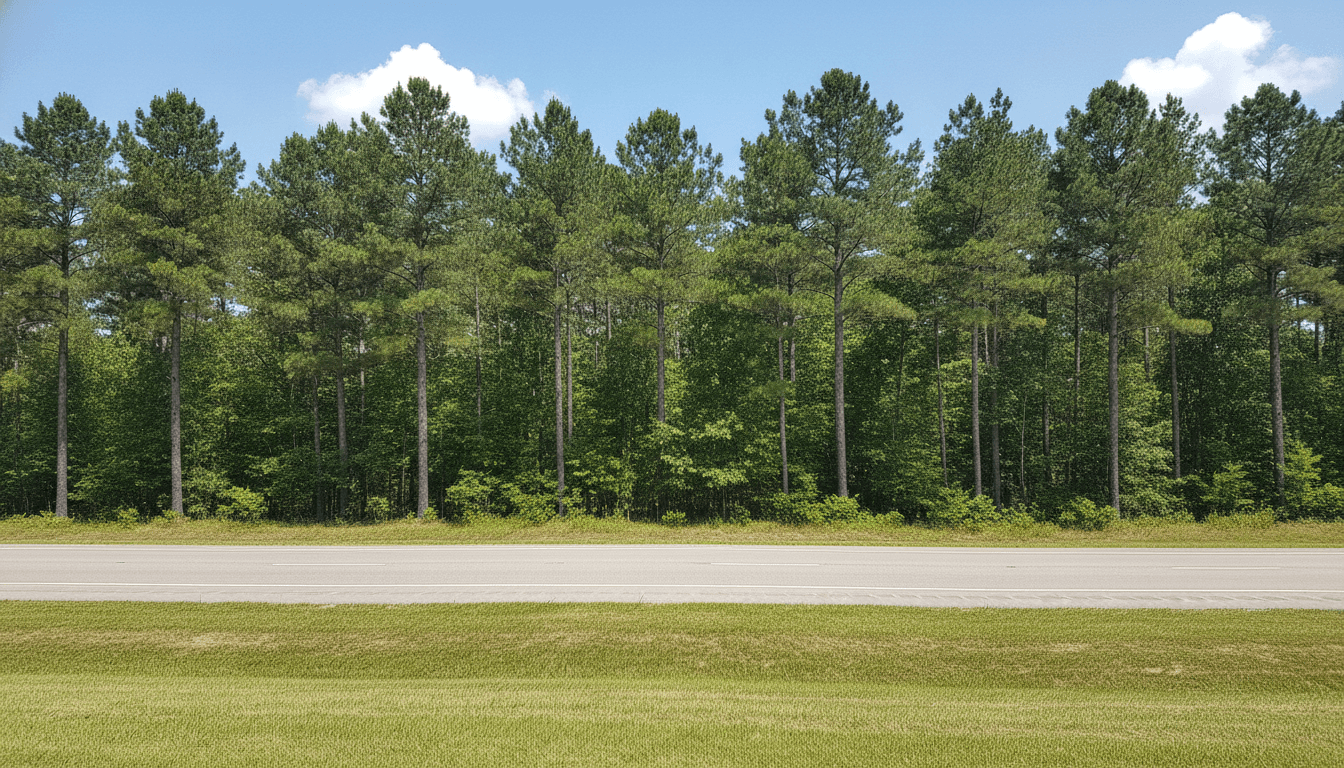
The existing forest would stay and serve as the screen, with proposed setbacks and natural buffers adjacent to neighbors far beyond what Westover’s code requires.
Sound
Proposed sound limits at the property line, measured to a recognized national standard, with routine generator testing confined to weekday business hours.
Light
Proposed lighting standards: all site lighting fully shielded and directed downward, with no direct light above the horizontal plane.
Power
No primary power generation on site under the proposed standards. The campus would be served by Alabama Power, with on-site equipment limited to backup/emergency generators.
Roads & infrastructure
Under the proposed standards, the developer funds the water infrastructure the project needs, repairs construction-related road damage, and pays for the traffic improvements the project requires, at its own expense.
The standards would be binding no matter who the tenant is. The right neighbor matters as much to this project as it does to Westover.
Asked around Westover. Answered here.
What exactly is being proposed?
Who is behind the project?
Will it drain our water?
Will it be loud?
Will it light up the night sky?
What happens to the trees?
Will my power bill go up?
What does Westover actually get out of this?
What about traffic and road damage?
What happens next?
Let us know your questions
The project team wants to hear from you. Use this form to share your questions and comments about the project.